
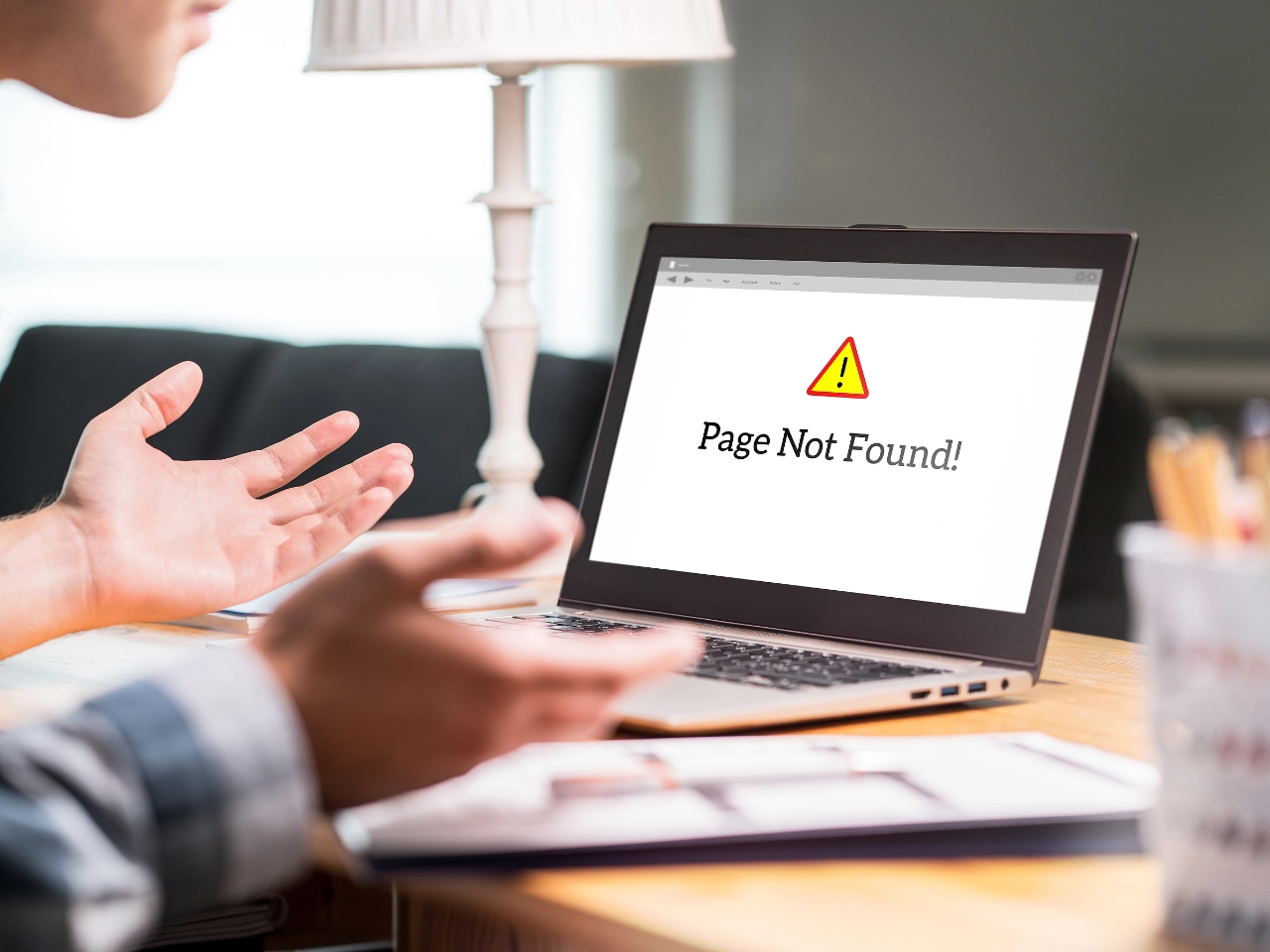
WordPress updates are supposed to make your site better. In reality, they’re one of the most common reasons websites break.
We regularly hear things like:
- “The site was fine until it updated”
- “Something changed overnight”
- “We didn’t touch anything, it just broke”
These experiences create a lot of frustration and often lead to update avoidance. However, the problem usually isn’t WordPress itself.
The real issue is how updates are handled, or more often, how they’re not handled at all.
Uncontrolled Updates Are The Problem
WordPress is constantly evolving. Core updates, plugin updates, and theme updates are released for good reasons. They address security vulnerabilities, fix bugs, improve performance, and maintain compatibility with modern hosting environments.
Problems arise when updates are applied without a process.
Many WordPress sites:
- Run updates directly on live environments
- Update everything at once without understanding dependencies
- Have no rollback or recovery plan
- Don’t test changes before deploying them
When something breaks in this scenario, there’s no safety net. Issues immediately affect real users, and fixes have to be made under pressure.
Plugin Conflicts Are the Biggest Culprit
Most broken WordPress sites aren’t caused by WordPress core updates. They’re caused by plugin conflicts.
Plugins are built by different developers, at different speeds, with different design assumptions. Each plugin update introduces new code that has to coexist with everything else on the site.
Conflicts commonly occur between:
- Two plugins that interact with the same functionality
- A plugin and the site’s theme
- Plugins and custom code added over time
- Plugins and older PHP versions
- Plugins relying on deprecated WordPress features
These issues don’t always cause immediate, obvious failures. Sometimes a site loads fine, but specific functionality quietly stops working.
Poor Theme Architecture Makes Updates Risky
The way a theme is built has a major impact on how safely a site can be updated.
Sites using fragile or poorly structured themes are far more likely to break during updates. Common problems include:
- Business critical functionality hard coded into the theme
- Outdated template overrides that no longer match modern WordPress standards
- Heavy reliance on third party scripts or page builder hacks
- Tight coupling between layout, logic, and data
When WordPress or plugins evolve, these themes don’t adapt gracefully. Small updates can trigger wide ranging failures because everything is interconnected.
No Staging Environment Means No Early Warnings
One of the biggest risks we see is updates being run directly on live sites.
Without a staging environment:
- Problems aren’t discovered until users encounter them
- Errors affect real visitors and customers
- Fixes are rushed, increasing the risk of further issues
- Rolling back changes becomes more difficult and more dangerous
Staging environments exist to catch problems early, in a safe space. Without one, every update becomes a gamble.
Automatic Updates Without Oversight
Automatic updates can be useful, particularly for security patches. However, they become risky when there’s no monitoring or review process.
When updates run automatically:
- Errors can go unnoticed for days or weeks
- Sites can partially break without obvious visual symptoms
- Forms, checkout flows, and integrations may fail silently
By the time someone notices, leads may have been lost, see conversions may have failed, and trust may already be damaged.
The Real Cost of a Broken Website
When updates go wrong, the damage isn’t just technical.
Broken WordPress sites often lead to:
- Lost enquiries and missed opportunities
- Failed transactions and abandoned checkouts
- Damaged credibility and customer trust
- Emergency developer costs
- Stressful, reactive fixes that disrupt normal work
In many cases, the cost of fixing a broken site far exceeds the cost of maintaining it properly in the first place.
Updates Should Feel Boring, Not Stressful
If every update notification creates anxiety, that’s a sign something is missing.
Well managed updates should be routine, predictable, and largely uneventful. When updates are handled correctly, they reduce risk rather than create it.
How We Help Prevent Update Related Breakages
We help businesses manage WordPress updates safely and predictably.
If you’re worried about updates breaking your site, or if you’ve been putting them off entirely, we can help put a proper process in place. With the right approach, updates stop being something to fear and start becoming part of keeping your website stable, secure, and reliable.